
Toll manufacturing is a model where your brand supplies the ingredients and/or packaging, and the manufacturer processes and bottles them. Turnkey manufacturing is the reverse: the manufacturer sources everything. The model you pick sets who owns sourcing, how much supply-chain work your team carries, and who is accountable when a material is late.
Key Takeaways
- Toll manufacturing means your brand supplies the ingredients and/or packaging, and the manufacturer processes and bottles them.
- Turnkey manufacturing means the manufacturer sources the materials, then produces, tests, and packages the product.
- Turnkey suits new brands without a supplier network. Toll manufacturing suits brands with proprietary ingredients or supplier relationships worth protecting.
- The core trade-off is control and sourcing ownership (toll) against convenience and accountability (turnkey).
- Both models run across capsules, powders, and liquids. Your stage, your sourcing relationships, and how much of the process you want to own decide the fit.
What Is Toll Manufacturing?
Toll manufacturing, also called tolling, is a model where your brand supplies its own ingredients and/or packaging, and the manufacturer handles processing and bottling. Sourcing stays with your brand. The manufacturer contributes equipment, facilities, and production expertise.
What Is Included in Toll Manufacturing?
- Brand supplies: ingredients, packaging, or both.
- Manufacturer provides: processing, blending, encapsulation or bottling, and production capacity.
- Shared responsibility: testing and quality protocols apply to brand-supplied materials, and your brand is often responsible for meeting claims on the materials it provides.
Toll manufacturing gives your brand direct ownership of its supply chain while outsourcing the production you cannot or do not want to run in-house.
Who Is Toll Manufacturing For?
Toll manufacturing suits established brands with proprietary or specialty ingredients, brands with existing supplier relationships and favorable pricing, and operators who want tighter control over raw material sourcing. If you have built a supply network, or your formula depends on a proprietary raw material, toll manufacturing lets you keep that control.
What Is Turnkey Manufacturing?
Turnkey manufacturing is a full-service model where the manufacturer manages every step from sourcing raw ingredients and packaging through processing, encapsulation or bottling, testing, and delivery. Your brand provides the formula and approves the specification. The manufacturer does the rest.
What Is Included in Turnkey Manufacturing?
- Ingredient sourcing: the manufacturer procures all raw materials.
- Packaging sourcing: bottles, lids, and related components.
- Processing and production: blending, encapsulation, or bottling.
- Quality testing: identity, heavy metals, and microbial testing.
- Finished product delivery: product shipped to your brand with a Certificate of Analysis for each lot.
Turnkey is the standard model for brands that want one accountable partner managing the full chain. It reduces the number of vendors you manage and concentrates responsibility in a single relationship.
Who Is Turnkey Manufacturing For?
Turnkey suits new brands launching a first SKU, brands without established supplier relationships, and operators who want to focus on marketing and sales rather than supply-chain logistics. If you do not already have ingredient suppliers you trust, turnkey is usually the starting point. Comparing partners? See how to choose a supplement contract manufacturer.
How Do Toll Manufacturing and Turnkey Compare Side by Side?
The two models differ mainly in who owns sourcing. The rest of the table follows from that.
| Factor | Toll manufacturing | Turnkey |
|---|---|---|
| Ingredient sourcing | Brand | Manufacturer |
| Packaging sourcing | Brand (and/or manufacturer) | Manufacturer |
| Processing and bottling | Manufacturer | Manufacturer |
| Supply chain control | Brand-led | Manufacturer-led |
| Vendor management | Multiple relationships | Single partner |
| Suited to | Established brands, proprietary ingredients | New brands, no supplier network |
| Primary advantage | Control, sourcing ownership | Convenience, accountability |
What Are the Trade-Offs Between Toll Manufacturing and Turnkey?
The core trade-off is accountability versus control. Turnkey concentrates responsibility and convenience in one partner. Toll manufacturing gives your brand direct control of sourcing, at the cost of managing more of the supply chain.
The Case for Toll Manufacturing: Control and Ownership
With toll manufacturing, your brand owns its sourcing relationships. You can lock in pricing, protect proprietary materials, and control ingredient quality at the source. The trade-off is responsibility: your brand manages more vendors, owns the timing of material delivery, and is typically accountable for meeting claims on the materials it supplies.
The Case for Turnkey: Convenience and Accountability
With turnkey, one partner is responsible for the entire outcome. If an ingredient is delayed or a component is wrong, it is the manufacturer’s job to resolve it. That single point of accountability simplifies operations, which helps lean teams and brands that are scaling fast. The trade-off is less direct control over which suppliers are used and at what cost.
How to Weigh the Trade-Off
Ask one question: do you already have supplier relationships worth protecting? If yes, toll manufacturing preserves them. If not, turnkey saves you from building a sourcing operation you do not need yet. Many brands start turnkey and shift specific products to toll manufacturing as they mature and build supplier leverage.
Can You Use Both Models?
Yes. Many brands run a hybrid approach: turnkey for some products and toll manufacturing for others, or supplying certain ingredients while the manufacturer sources the rest. The models are not mutually exclusive at the brand level.
A brand might use turnkey for a standard formula while toll manufacturing a flagship product built on a proprietary, brand-supplied ingredient. A product can also move from turnkey to toll manufacturing later, for example when you introduce a proprietary ingredient. A capable manufacturer accommodates both, often within the same partnership.
How Is Toll Manufacturing Different From Contract Manufacturing?
Contract manufacturing is the wider term for any arrangement where one company produces a product for another. Toll manufacturing and turnkey are two ways to run it. Some suppliers use “contract manufacturing” to mean turnkey only, so confirm the scope in your quote. For the full picture, read what contract manufacturing is and how it works.
Which Model Works Across Capsules, Powders, and Liquids?
Both toll manufacturing and turnkey are available across all three formats: capsules, powders, and liquids. The model you choose is independent of the product format.
Capsules
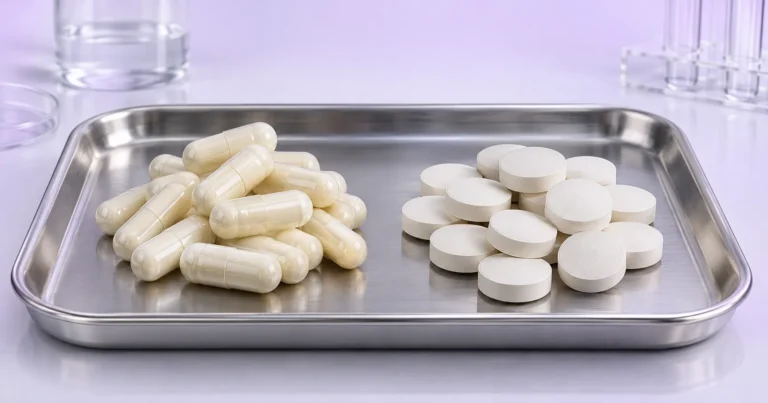
Turnkey encapsulation covers sourcing through bottling. With toll encapsulation, you supply ingredients and/or packaging while the manufacturer encapsulates and bottles. Both are available across standard capsules sizes and shell materials.
Powders
Turnkey powder bottling handles everything from ingredient sourcing through processing and bottling. With toll manufacturing, you supply materials while the manufacturer processes and bottles powders across canisters, jars, and pouches.
Liquids
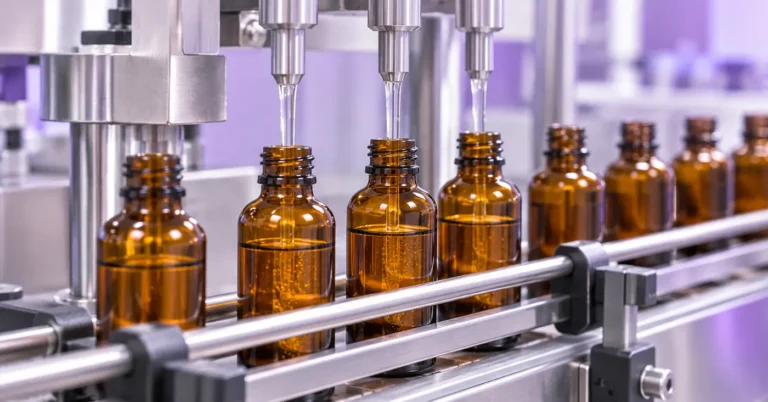
Turnkey liquid bottling covers the full chain. Toll manufacturing applies to liquids as well, with your brand supplying ingredients and/or packaging for processing and bottling across tinctures, syrups, suspensions, and oil blends.
How Do Manufacturing Models Affect the Onboarding Process?
Both models follow the same six steps at WB Blends. The only difference is where the materials come from. See the full process.
- Preliminary Quote
- R&D, if needed
- Purchase Order
- Finished Product Specification (FPS) and Deposit/Approval
- Production
- Delivery with a Certificate of Analysis (COA)
Under turnkey, the manufacturer procures the materials. Under toll manufacturing, your brand supplies them on a coordinated timeline.
Under either model, the FPS is approved before production begins and defines exactly what will be produced. It protects both sides regardless of who sourced the materials.
How WB Blends handles this
WB Blends is a dietary supplement contract manufacturer in Spanish Fork, Utah, with 25+ years of experience. It runs turnkey and toll programs across capsules, powders, and liquids. See its manufacturing services by format. A Finished Product Specification is approved before production under either model, and R&D is available when a formula needs development. Every lot is tested in-house for identity and appearance, heavy metals by ICP-MS, and microbial limits, and a Certificate of Analysis ships with each lot. WB Blends is FDA Registered, Certified Organic and Kosher. See all certifications. Lead times are 10-12 weeks for new projects and 8-10 weeks for returning ones. Your formula stays your intellectual property.
FAQs
What is toll manufacturing in supplements?
Toll manufacturing is an arrangement where a supplement brand provides its own raw ingredients and/or packaging, and the contract manufacturer processes and bottles them using its equipment and facilities. Your brand keeps control of sourcing. The manufacturer contributes production capacity and expertise.
What is the difference between toll manufacturing and turnkey manufacturing?
With toll manufacturing, your brand supplies ingredients and/or packaging, and the manufacturer processes and bottles them. With turnkey manufacturing, the manufacturer sources the materials, then produces, tests, and packages the product. The difference comes down to who owns sourcing, and with it who carries the supply-chain workload.
Is toll manufacturing or turnkey cheaper?
Neither is cheaper in every case. Turnkey can cost less for a brand with no sourcing leverage, because a manufacturer buying at scale may secure better material pricing. Toll manufacturing can cost less for a brand with favorable supplier contracts or proprietary materials. Ask for a quote on both against your formula.
Which manufacturing model fits a new supplement brand?
Turnkey usually fits a new brand. It removes the need to build a sourcing operation, puts accountability with one partner, and lets your team focus on marketing and sales. Toll manufacturing can fit a new brand that already owns a proprietary ingredient or has a trusted supplier.
Who is responsible for quality in toll manufacturing?
Quality is shared. The manufacturer applies its testing and production protocols. A brand that supplies its own ingredients is typically responsible for making sure those materials meet its claims and specifications. Both sides define this up front during quoting and in the Finished Product Specification.
Does the manufacturing model affect lead times?
Lead times depend more on project complexity than on the model. At WB Blends, new projects run 10-12 weeks and returning projects 8-10 weeks. Under toll manufacturing, the date your brand delivers its materials can move the overall schedule, so plan material delivery against the production slot.
Planning a launch? Request a quote. Preliminary quotes take 5-6 business days.