
Flavor masking is the work of hiding or balancing the bitter, salty, metallic or earthy notes that some supplement ingredients carry, so the finished product tastes the way you intend. It matters because a customer who dislikes the first serving rarely buys a second tub, so taste is part of your formula, not decoration.
Key Takeaways
- Masking combines several tools: bitter blockers, sweeteners, acids and a flavor system that suits the base.
- Some ingredient groups, such as certain amino acids, minerals and botanicals, are harder to mask than others.
- Every masking ingredient goes on the label, so masking choices are also label choices.
- Flavor work should start during formulation, before the serving size and packaging are locked.
What is flavor masking?
Flavor masking is the set of formulation techniques that reduce how much an off-note is noticed. It does not remove the active ingredient. It changes what the customer tastes first, what lingers and how the whole serving is perceived.
Masking is most important in formats the customer tastes directly: powders mixed into water or a shake, and liquids taken by dropper or spoon. Capsules mostly avoid the problem, because the shell keeps the fill off the tongue. That is one reason taste often decides whether a formula becomes a powder, a liquid or a capsule.
Taste complaints also show up in reviews. Our guide to common powder supplement complaints covers taste alongside clumping and mixability.
Which ingredients are hardest to mask?
Ingredients with strong bitter, salty, sour, metallic or earthy notes are the hardest to mask, especially at higher amounts per serving. This table shows common groups and the approaches a formulator usually tries first.
| Ingredient type | Typical off-note | Common approach |
|---|---|---|
| Some amino acids | Bitter, lingering | Bitter blocker, citrus or berry flavor, acid balance |
| Mineral salts | Salty, metallic | Flavor with a strong top note, adjusted acid and sweetness |
| Botanical powders and extracts | Earthy, grassy, bitter | Chocolate, coffee or mint profiles, plus sweetener balance |
| Plant proteins | Beany, earthy, chalky | Vanilla or chocolate base, texture work, masking flavor |
| Greens and vegetable powders | Grassy, vegetal | Fruit or tropical profiles, acid, sweetener |
| Caffeine and stimulant blends | Bitter | Bitter blocker, sour candy or fruit punch profiles |
The table is a starting point. The same ingredient can behave differently in a new base, at a new serving size or next to a new sweetener, so every formula needs its own bench work.
How does flavor masking work?
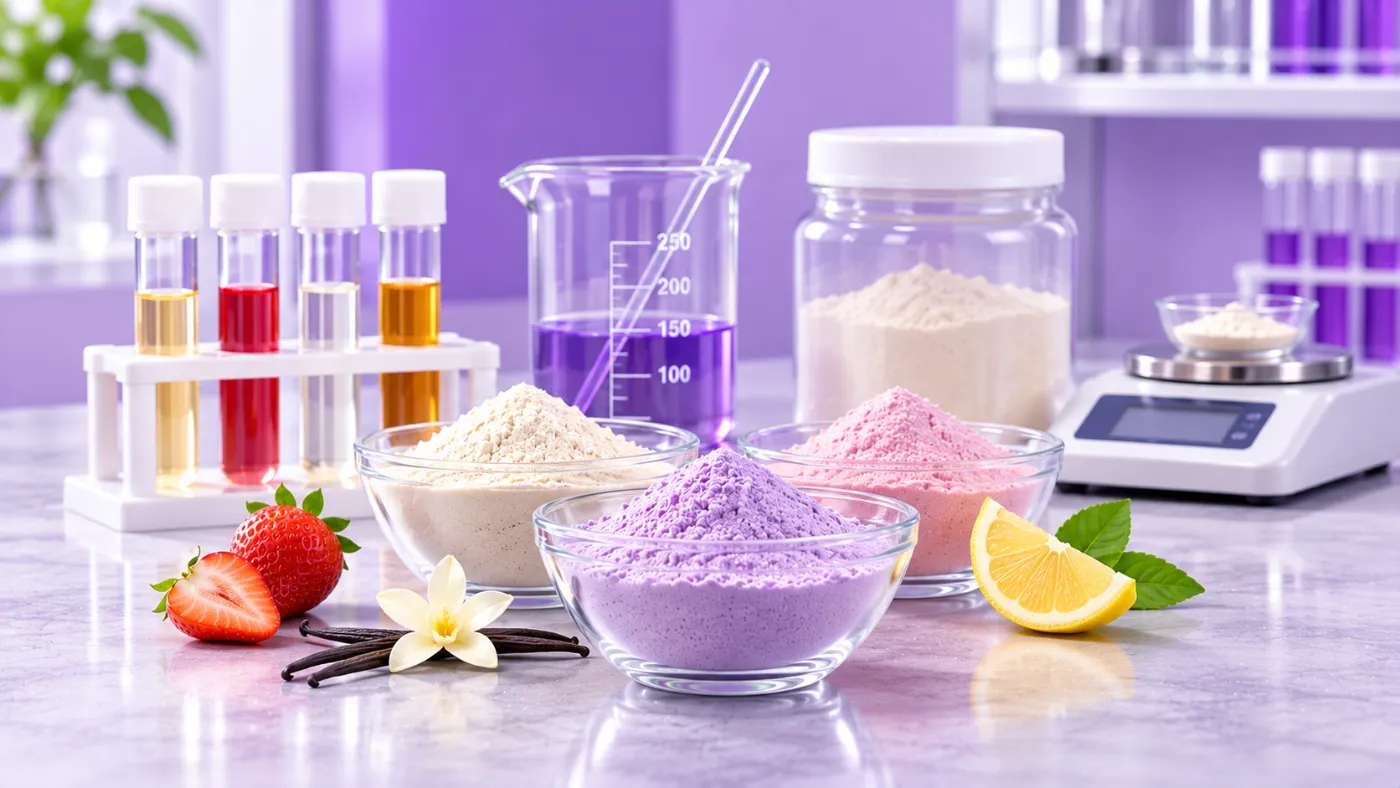
Masking works by layering tools that each reduce the off-note a little. A formulator rarely relies on one ingredient. The usual tools are:
- Bitter blockers and masking flavors. Flavor ingredients designed to reduce the perception of bitterness or other off-notes.
- Sweeteners. Sweetness offsets bitterness. The choice of sweetener changes the profile, the aftertaste and the label.
- Acids. Acids such as citric or malic acid add brightness, which can lift fruit flavors over a bitter or salty base.
- Flavor systems. A full flavor profile chosen to suit the base. Strong profiles such as chocolate or fruit punch carry more masking power than delicate ones.
- Texture and mouthfeel. In powders and liquids, texture changes how long an off-note stays on the tongue.
Each tool adds an ingredient. Keep a running list of what masking adds to the label, so the Other Ingredients line does not surprise you at the end.
How do you choose a sweetener system?
Choose a sweetener system by your positioning, your label goals and the taste you need, then confirm it on the bench. Most systems blend two or more sweeteners to smooth out aftertaste.
| Decision | What to consider |
|---|---|
| Sugar or no sugar | Your positioning and the Supplement Facts panel |
| Natural or artificial | Your brand promise and channel expectations |
| Aftertaste | Some sweeteners linger; blends can reduce this |
| Claims | Organic, Non-GMO Project Verified or Vegan claims narrow the options and are confirmed during quoting |
| Cost and supply | Price per serving and how reliably the sweetener can be sourced |
Compare sweeteners on taste, label and supply. Leave health positioning out of the decision, and confirm any label wording with your regulatory advisor.
How is a flavor developed and tested?
A flavor is developed in rounds, from a written brief to a signed-off profile that is locked into the specification. A typical sequence looks like this:
- Brief. You describe the target taste, the format, the serving and any claims or ingredients to avoid.
- Bench samples. The formulator builds small samples with different masking and flavor options.
- Tasting. You taste the samples the way your customer will, mixed in the stated amount of liquid.
- Revision. Your preferred sample is adjusted for sweetness, acid or flavor strength.
- Pilot run. A small batch on production equipment confirms the flavor holds at scale.
- Sign-off. The approved flavor goes into the Finished Product Specification before production.
Taste the samples in the same liquid and amount your label will state. A powder that tastes fine in 16 oz of water can taste very different in 8 oz. Our guide to how protein powder is made shows where flavoring sits in the full production sequence.
What should a brand include in a flavor brief?
A clear brief shortens the number of rounds. Include these items:
- Format and serving: powder or liquid, serving size and the liquid it is mixed into.
- Target profile: one or two reference products your customer already likes.
- Sweetener rules: sugar, no sugar, natural only or no limits.
- Claims: any Organic, Non-GMO Project Verified, Vegan or Kosher claims, confirmed during quoting.
- Ingredients to avoid, such as specific colors or sweeteners.
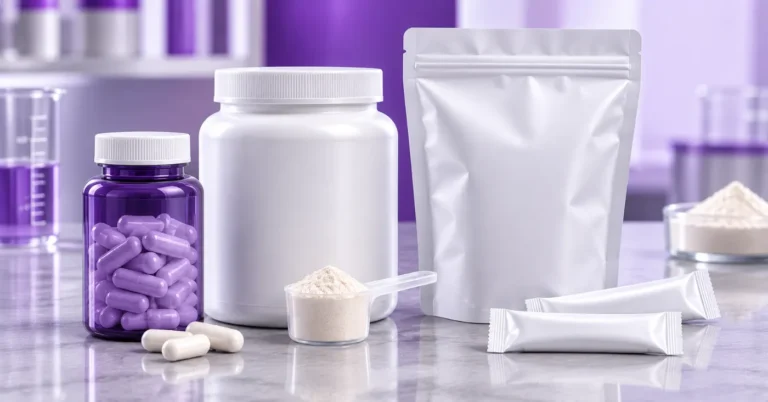
- Packaging: tub, pouch or single-serve format. See stick packs vs canisters vs gusset bags for how each affects the product.
How WB Blends handles this
WB Blends develops flavors and sweetener systems in-house for powders and liquids. Our R&D team builds bench samples from your brief, adjusts them with you, and confirms the flavor on a pilot run when one is needed. The approved flavor is written into your Finished Product Specification before production, and the formula stays your intellectual property.
Powders are blended at about 200,000 kg a month and filled into jars, canisters, gusset pouches, sachets and stick packs. Learn more about our custom powder manufacturing programs.
Frequently Asked Questions
What is a masking agent?
A masking agent is an ingredient added to reduce how strongly an off-note is tasted, such as bitterness or a metallic note. It is usually a flavor ingredient or a bitter blocker. Masking agents are listed on the label like any other ingredient, so plan for them early.
Can flavor masking change the label?
Yes. Every sweetener, acid, flavor or masking agent you add becomes part of the ingredient list. Masking choices can also affect claims such as Organic or Vegan, which are confirmed during quoting. Review the label impact of each masking option before you approve a sample.
Do natural flavors mask as well as artificial ones?
It depends on the base and the off-note. Natural and artificial flavors can both mask effectively, but each formula behaves differently. If natural positioning matters to your brand, say so in the brief so the formulator only builds samples that fit it.
When should flavor work start?
Start flavor work during formulation, before the serving size, packaging and label are locked. Masking can change the serving, the ingredient list and the cost per serving. Starting late often means reworking decisions you thought were final.
Planning a launch? Request a quote. Preliminary quotes take 5-6 business days.