
A glycerin tincture is a liquid botanical extract made with glycerin, usually blended with water, as the solvent instead of alcohol. It is also called a glycerite. For your brand, it is the standard route to an alcohol-free liquid, and the solvent choice shapes its taste, texture, label and production plan.
Key Takeaways
- Glycerite and glycerin tincture mean the same thing in most supplement conversations: a botanical extract in a glycerin-based solvent.
- Glycerin is sweet and thick, so it changes flavor, pour and dropper behavior compared with alcohol.
- Alcohol and glycerin extract different compounds, so switching solvents is a reformulation, not a label change.
- Glycerin stays in the finished product, so it is listed as an ingredient.
What is a glycerin tincture?
A glycerin tincture is a botanical extracted into glycerin, or a glycerin and water blend, then separated from the plant solids. The result is a sweet, slightly thick liquid that is usually dosed by dropper.
The word glycerite is the older, more precise name. Many brands use ‘tincture’ for any dropper liquid, so a buyer may ask for a tincture and mean a glycerite. Write the solvent into your specification so everyone works from the same definition. Our guide to what a tincture is covers the wider term and how ratios work.
Glycerin is a common food ingredient. Under 21 CFR 182.1320, glycerin is listed as generally recognized as safe when used in accordance with good manufacturing practice. Confirm the grade, source and label wording for your own product with your regulatory advisor.
How is a glycerin tincture made at commercial scale?
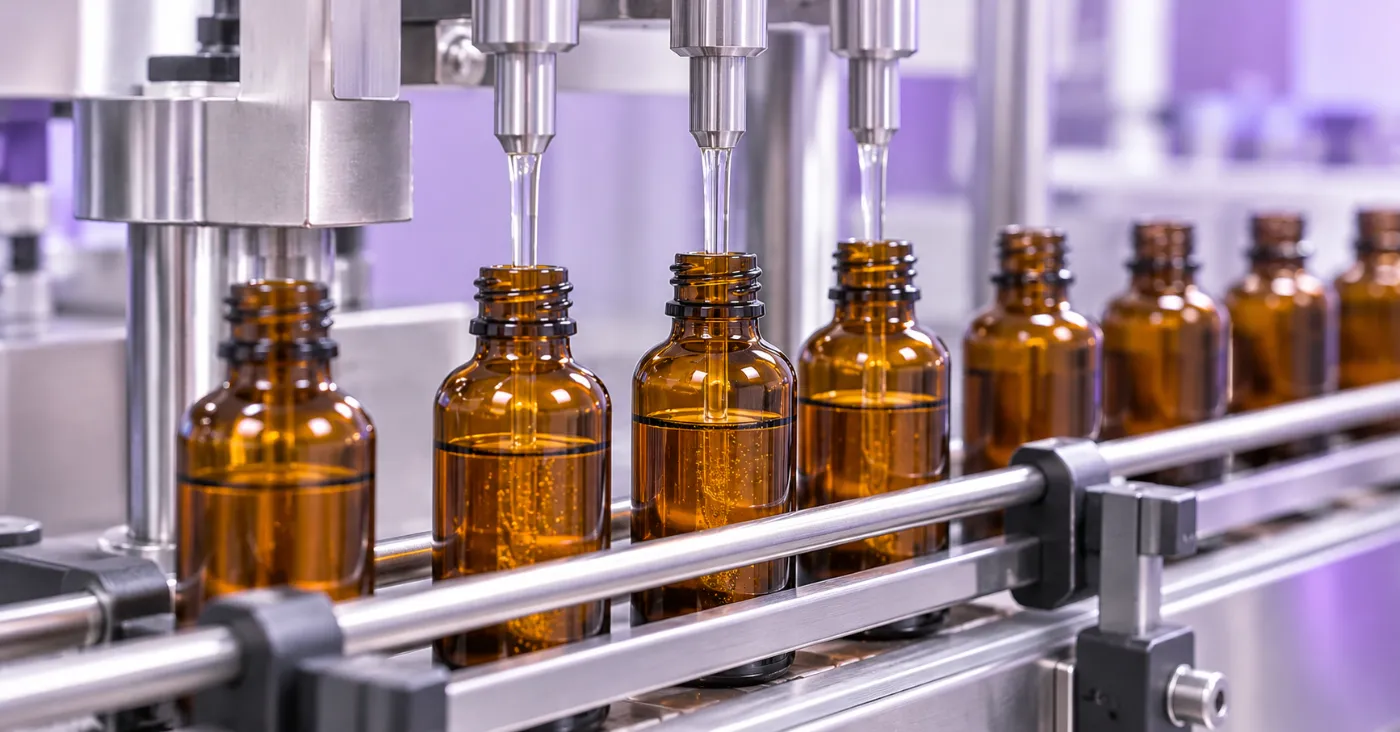
At commercial scale, a glycerin tincture is made in controlled steps that move from raw botanical to a filled, tested bottle. The sequence looks like this:
- Raw material check. The botanical is checked for identity and appearance before use.
- Solvent preparation. Glycerin is blended with water to the ratio in the specification. The blend changes viscosity and how the extraction runs.
- Extraction. The botanical is held in the solvent under set conditions for a set time.
- Separation. Solids are pressed and filtered out. Glycerin is thick, so separation takes more care than with alcohol.
- Finishing. Flavor, other ingredients or a reduction step may be added, depending on the formula.
- Testing and filling. The lot is tested against the specification, filled, closed with a dropper and labeled.
Your brand approves the inputs: the botanical, the ratio, the solvent blend and the finished specification. The manufacturer runs the steps and documents each lot.
Alcohol vs glycerin tincture: what changes?
Alcohol and glycerin produce different products, even from the same botanical. This table compares them on the points a brand decides.
| Factor | Alcohol tincture | Glycerin tincture |
|---|---|---|
| What it extracts | Dissolves many plant compounds that water does not | Extracts a different profile; not a like-for-like swap |
| Taste | Sharp, warming | Sweet |
| Texture | Thin, fast-pouring | Thicker; affects drop size and pour |
| Positioning | Traditional tincture | Alcohol-free |
| Label | Alcohol listed as an ingredient | Glycerin listed as an ingredient |
| Production | Faster separation | Slower separation because of viscosity |
Do not compare the two on strength without data. Strength depends on the botanical, the ratio and the method, so ask for test data on your own formula rather than relying on a general rule.
When does glycerin fit a product?
Glycerin fits when an alcohol-free position matters to your customer or your channel. Common reasons brands choose it:
- Alcohol-free positioning. Some customers and retailers prefer liquids without alcohol.
- Flavor. The natural sweetness of glycerin can help balance bitter botanicals.
- Line extension. An alcohol-free version can sit beside an existing alcohol tincture.
Alcohol may still fit better when you need an extract profile that glycerin does not deliver, or a thin liquid with a fast pour. Test both before you commit a line to one solvent.
What should a brand test and specify?
Use this checklist when you write the specification for a glycerin tincture.
- Botanical: common and Latin name, plant part, fresh or dried.
- Solvent: glycerin to water ratio and the glycerin source, if a Vegan or Organic claim is planned.
- Ratio: botanical to solvent, and whether it is measured against solvent added or finished volume.
- Serving: mL per serving and the dropper that delivers it.
- Testing: identity, appearance, heavy metals and microbial limits for the finished lot.
- Shelf life: based on stability data for your own formula and bottle.
- Claims: Organic, Non-GMO Project Verified, Vegan or Kosher, confirmed during quoting.
Organic claims depend on every ingredient, including the glycerin. Our guide to organic certification on supplements explains how that works, and non-GMO vs organic compares the two claims.
How WB Blends handles this
WB Blends runs extraction in-house using water, glycerin or alcohol, along with reduction methods. Liquid lines run about 550,000 bottles a month, from 5 mL to 32 oz, in HDPE, PET or glass, with dropper and phenolic closures. Flavor development is in-house, which helps when a glycerite needs balancing.
Every lot is tested in-house for identity and appearance, heavy metals and microbial counts, and a Certificate of Analysis ships with it. Your Finished Product Specification is approved before production. See our liquid supplement manufacturing page for details.
Frequently Asked Questions
Is glycerin a solvent?
Yes. In a glycerin tincture, glycerin, usually blended with water, is the solvent that draws compounds out of the botanical. It extracts a different profile than alcohol, so the two solvents do not give identical products. Test your formula in the solvent you plan to sell.
Is a glycerin tincture alcohol-free?
A glycerin tincture made only with glycerin and water uses no alcohol as a solvent. Check every other ingredient too, such as flavors, which may contain alcohol. If you plan to market the product as alcohol-free, confirm the full formula and the label wording before launch.
Do glycerin tinctures taste sweet?
Yes. Glycerin tastes sweet, so a glycerin tincture is usually sweeter and smoother than an alcohol tincture. That sweetness can help balance bitter botanicals. Flavor development can adjust the final profile, and any added flavor appears on the label.
What is the shelf life of a glycerin tincture?
There is no single shelf life. It depends on the botanical, the glycerin and water ratio, other ingredients and the bottle. Base the date on stability data for your own formula, and ask your manufacturer what stability work is available before you print labels.
Planning a launch? Request a quote. Preliminary quotes take 5-6 business days.